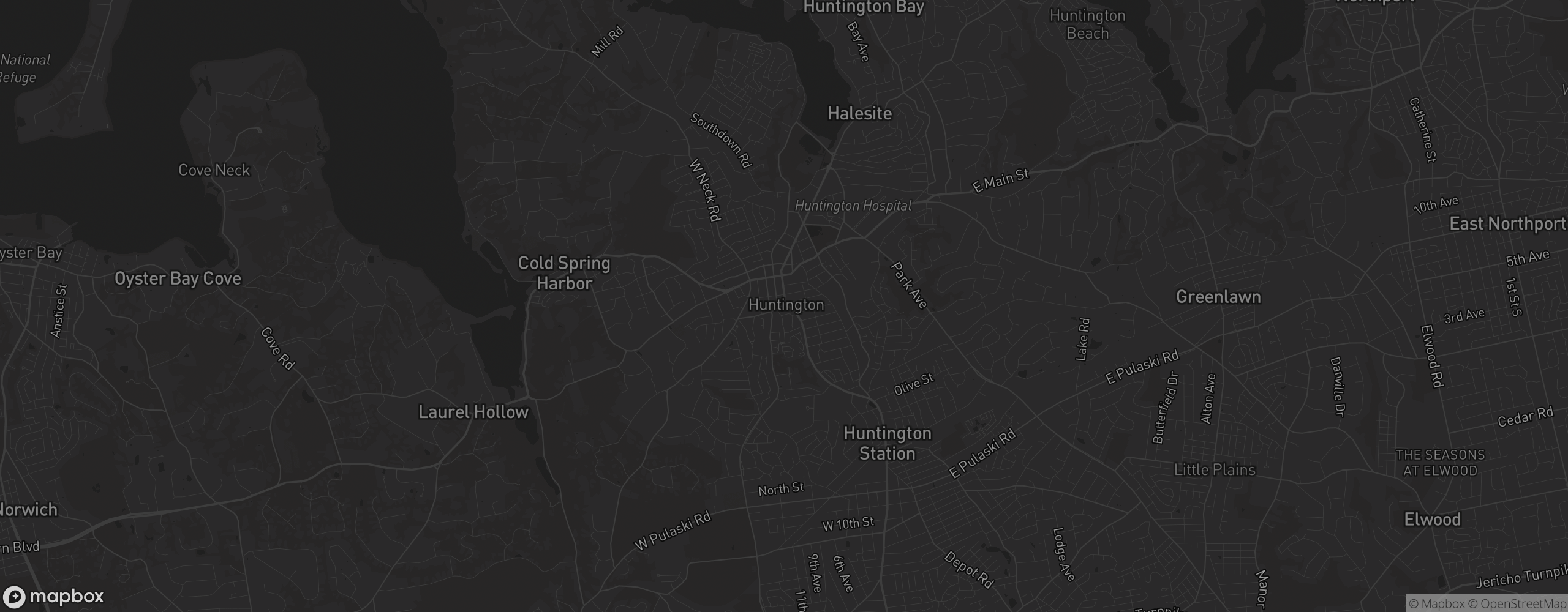
Oyster Bay is one of the few villages on the North Shore with a functioning working waterfront. The village center sits directly on Oyster Bay harbor, which is still home to working boats, fishing fleets, and water-based commercial activity. That working character sets it apart from the more estate-focused or suburban-residential communities nearby.
Sagamore Hill—Theodore Roosevelt's home, now open for public tours—sits just outside the village proper and is one of the area's signature attractions. The village itself has maintained a more modest, less exclusively expensive character than Great Neck or Port Washington, though prices have risen significantly in recent years.
The Village Center and Harbor
Oyster Bay village proper sits on the harbor with direct water access. The village center, along the waterfront, has maintained a small-town feeling with local restaurants, shops, and the working harbor visible from the street.
The harbor itself is active. You'll see fishing boats, commercial enterprises, and water-based activity that gives the place a genuine working character—less refined than Port Washington, more authentic to what a Long Island harbor community actually is.
Sagamore Hill and Historic Character
Theodore Roosevelt's Sagamore Hill sits just north of the village, operated by the National Park Service and open for public tours. The 83-acre property includes the historic home, grounds, and gardens.
The proximity to Sagamore Hill influences the area's identity and appeal. Many residents are drawn to the historic significance and the public access to such a notable property.
LIRR Access and Commute
Oyster Bay station sits on the Oyster Bay Branch—meaning the same transfer-via-Jamaica scenario as Locust Valley. Commute time to Penn Station is typically 55-65 minutes with transfer, longer during off-peak hours when transfer frequency drops.
The station sits in the village center, which means downtown walkability for transit access.
The Surrounding Communities
Cove Neck and Oyster Bay Cove are incorporated villages surrounding the village proper, with estate-lot zoning and more private character. Centre Island, to the east, is a small incorporated village on a peninsula surrounded by water—one of the most exclusive and geographically isolated communities on Long Island.
Housing in these surrounding villages tends toward larger lots and estate-style properties. Oyster Bay village proper is more mixed, with older colonials and modest homes closer to the harbor.
Waterfront Property and Water Access
The proximity to the working harbor means genuine waterfront properties with water access exist in Oyster Bay village proper. These command significant premiums, but they offer authentic maritime character—not manicured waterfront estates, but actual working harbor frontage.
For buyers who want water access and don't require the refined ambiance of a Port Washington or Sands Point waterfront community, Oyster Bay offers something different.
Cross-Shopping with Lloyd Harbor
Oyster Bay and Lloyd Harbor (in Huntington Town, on the opposite shore of the bay) sometimes cross-shop with each other. The two communities face each other across Oyster Bay and appeal to similar buyer profiles—those attracted to working harbor character, somewhat lower price points than the western North Shore, and the sense of being in an actual maritime community.
The Community Feel
Oyster Bay has maintained a more down-to-earth community character than many North Shore villages. Retail is local and independent rather than chain-based. The harbor activity creates constant visual life. The working-waterfront reality keeps the place feeling less purely residential.
For buyers drawn to that character—authentic working harbor, less polished refinement, genuine village feel—Oyster Bay stands apart from other North Shore options.


